|
PROGRAMS AVAILABLE |
|
PreCan:
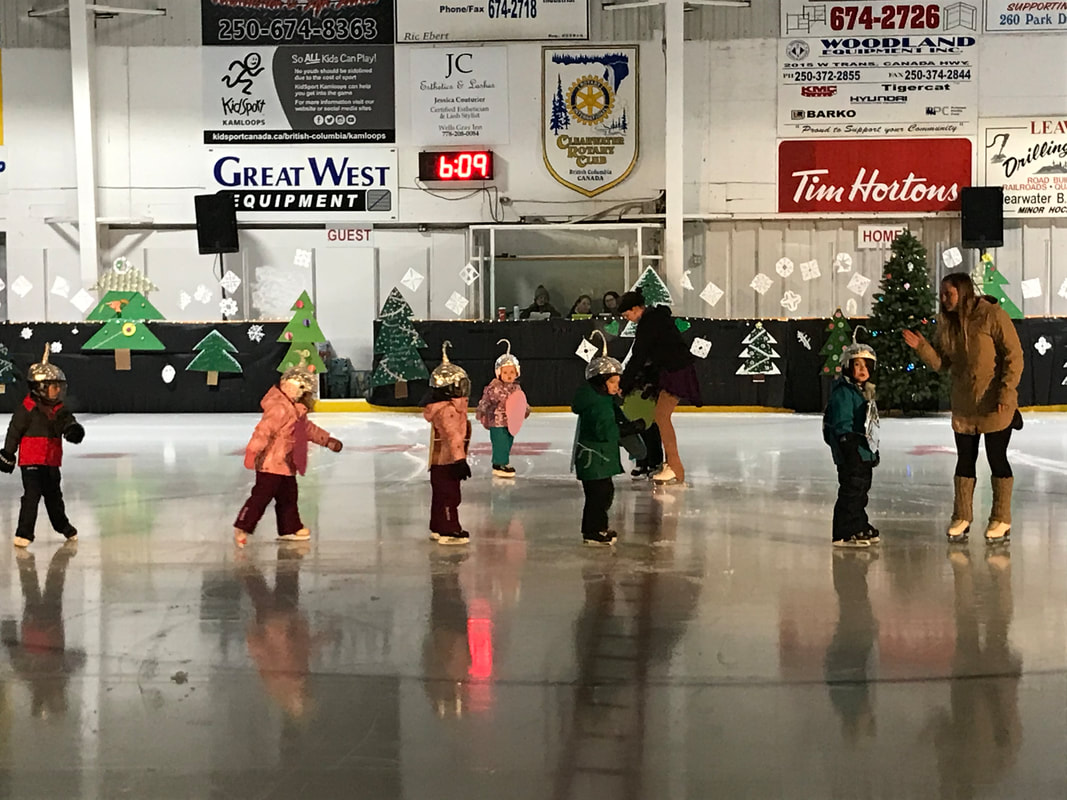
While this is primarily for 3 - 5 year olds with no skating skills, older new skaters are welcome to participate. This learn to skate program is designed for the youngest and/or newest beginners who may be trying out skating for the very first time and are unsteady on their skates. The program focuses on fun, participation and basic skill development. The participants will earn badges and other incentives as they learn fundamental skating skills. |
|
|
CanSkate:
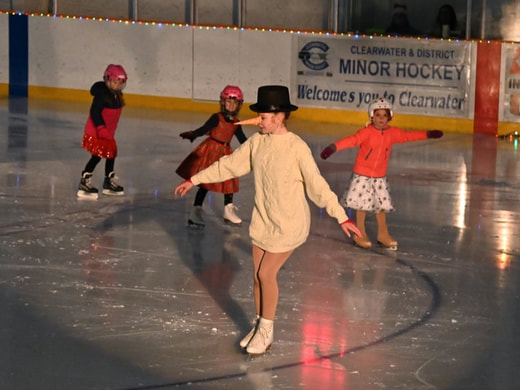
CanSkate is where steadier skaters gain speed and confidence in skills learned either independently or in PreCan. Typically skaters are 5 before entering this level but younger skaters may participate. CanSkate is a continuation of Canada's flagship learn-to-skate program, designed for beginners of all ages. Our program focuses on extending the basic skills relevant to hockey, figure, and speed skating. The participants will earn badges and other incentives as they learn fundamental skating skills. |
© Stephanie Hagenaars (Clearwater Times)
|
|
Junior StarSkate:
Our Jr StarSkate program offers opportunities for skaters of all ages to develop fundamental figure skating skills involving foot work, spins, and jumps that are encompassed within ice dance, skills, free skate elements and interpretive skating. This program teaches figure skating in a group lesson format in a progressive and sequential manner. Skaters have the opportunity to participate in group performances that, at coaches discretion, may vary in size. Skaters in Junior Star typically work on skills outlined by SkateCanada as Canskate 4-5-6 and StarSkate 1. |
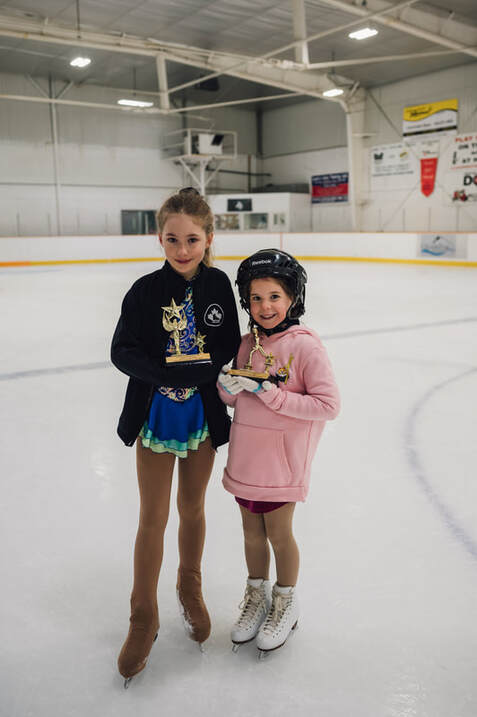
Photo by Earth In Bloom Photography
|
|
StarSkate (Sr):
Our Sr StarSkate program builds on skills begun in Jr Star, with a combination of both group lesson and independent learning format. Skills are developed in a progressive and sequential manner. Skaters have the opportunity to complete Skate Canada tests on home ice through the nationally standardized testing system. Tests begin in each of the three core areas (Skills, Freeskate, & Dance) and progress to more variety at higher levels. Skaters are encouraged to participate in club performances, with the option to express their personal creativity through choreography. There are also typically 1-2 opportunities per full year to compete in a regional competition. |
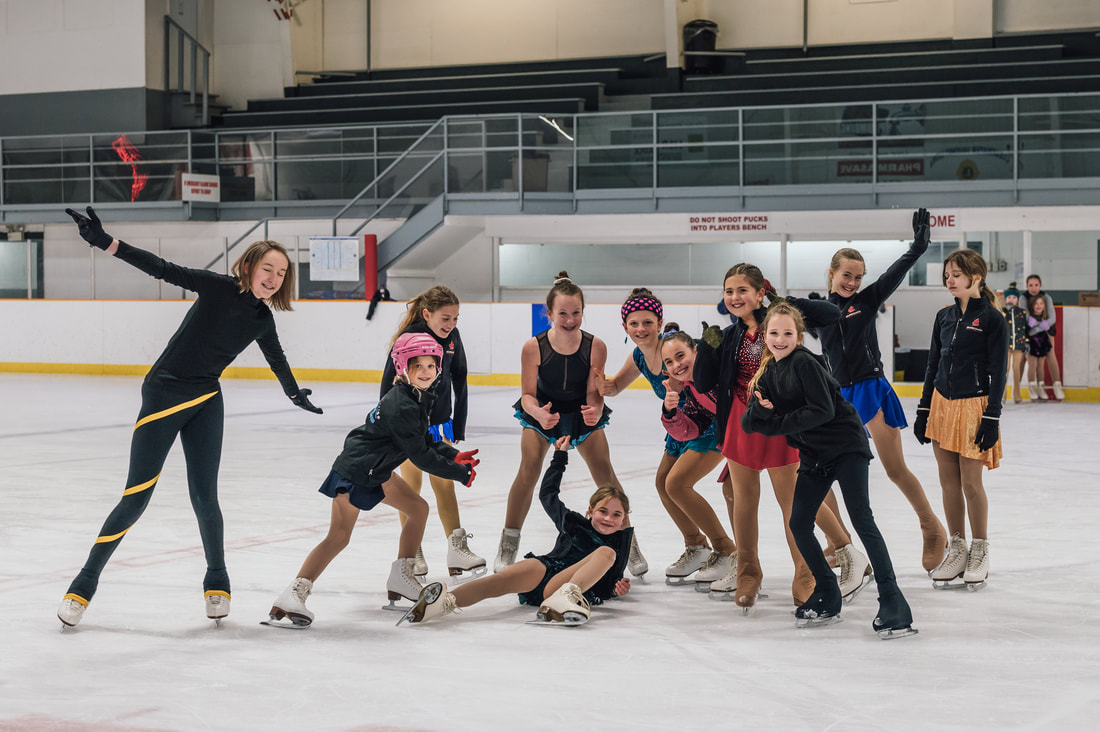
© Earth In Bloom
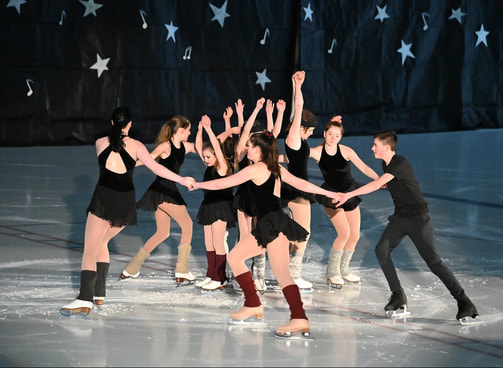
Sr Star
© Stephanie Hagenaars (Clearwater Times)
|
|
Equipment Required:
Please watch this helpful video from SkateCanada. Helmets: It is mandatory for all CanSkate participants up to and including Stage 5 to wear a CSA approved Hockey helmet while on the ice. Children will not be allowed on ice with any other type of helmet. Please dress your child warmly. Don’t forget mitts!. For younger skaters, snow pants keep them warm and soften the blow when they fall. StarSkate skaters should be dressed in close fitting garments that allow the coaches to assess and correct skaters' position as well as maintain safety. Garments would include dresses and tights or close fitting pants and a hip length (or shorter) fitted jacket or sweater. Please do not wear bulky or baggy sweatshirts, or sweatpants. Please do not wear jeans/woven jeggings or pants that are loose at the ankle. StarSkate skaters not wearing helmets should have their hair tied back with a hair elastic. Hair movement can affect balance, and we also want to present a tidy appearance. |
Caregiver Participation:
|